The Role of Chemical Injection in Nuclear Water Chemistry
Managing corrosion and maintaining precise water chemistry are essential to the safe, reliable, and efficient operation of nuclear power plants. Reactor coolant systems, steam generators, and associated piping operate under demanding conditions where corrosion, material degradation, and deposit accumulation can affect equipment performance and increase maintenance requirements.
Chemical treatment programs using zinc, platinum, and polyacrylic acid (PAA) help address these challenges in different ways. Although their functions and injection locations vary, each application requires carefully controlled chemical delivery to maintain the desired water chemistry.
Precision reciprocating piston metering pumps play an important role in these treatment systems. Their ability to deliver small, repeatable flow rates against elevated discharge pressures makes them well suited for demanding chemical injection applications.
This article examines how zinc, platinum, and PAA are used in nuclear power plant water treatment, the challenges associated with accurately dosing these chemicals, and the role of Eldex precision metering pumps in engineered chemical injection systems.
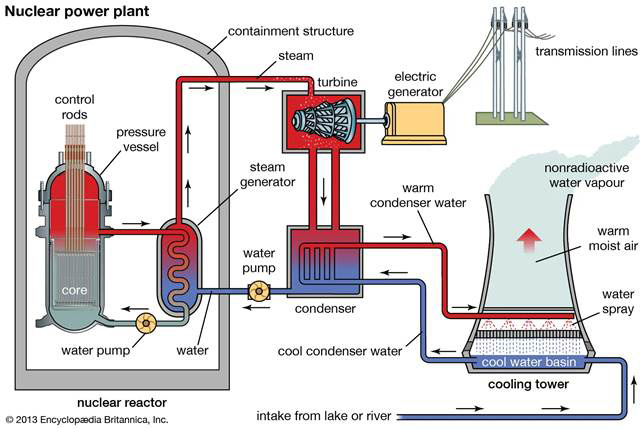
Zinc and Platinum Treatments for Corrosion and Radiation Management
Zinc injection is an established water chemistry treatment used in nuclear power plants to influence the composition and behavior of protective oxide films on reactor coolant system surfaces. By modifying these films, zinc can reduce the incorporation of radioactive cobalt and may help mitigate certain corrosion-related degradation mechanisms. Platinum-based treatments have also been investigated or applied in specific reactor water chemistry programs, although their mechanisms and operating conditions differ from those of zinc injection.
Mitsubishi Heavy Industries (MHI) has investigated zinc injection and demonstrated its potential to limit radioactive cobalt incorporation into protective oxide films on reactor system components, which is particularly important because cobalt-60 significantly contributes to radiation fields around reactor coolant system components. By modifying oxide film chemistry and reducing cobalt uptake, zinc injection can help lower radiation dose rates and minimize personnel exposure during maintenance and refueling outages. When used in combination with platinum, as demonstrated by Westinghouse, radiation levels can be reduced even further.
The benefits may extend beyond radiation management. Research by the Paul Scherrer Institute (PSI) in Switzerland examines whether zinc injection can mitigate primary water stress corrosion cracking (PWSCC). This degradation mechanism can affect stainless steels and nickel-based alloys in demanding reactor environments. PWSCC occurs through the combined influence of tensile stress, susceptible material conditions, and corrosive environments. PSI’s research specifically investigates how zinc affects crack initiation and propagation. This research highlights the importance of precise water chemistry for long-term material integrity.
With material degradation and increased radiation exposure risk for plant employees, these applications require careful control of chemical concentrations. Zinc and platinum are typically introduced at very low concentrations, so even small variations in injection flow can affect the resulting water chemistry. A metering system must deliver the prepared chemical solution with consideration for system pressure, desired concentration, and reliable service over extended operating periods. Eldex reciprocating piston metering pumps provide the precise flow control, high-pressure capabilities, and repeatable performance required for demanding chemical injection applications.
Polyacrylic Acid for Steam Generator Deposit Control
While zinc and platinum injection is primarily associated with reactor coolant chemistry, polyacrylic acid serves a different purpose in nuclear power plant water treatment. PAA is a polymeric dispersant used in the secondary feedwater systems of PWRs. Its primary application is helping prevent the accumulation of metal oxide deposits on steam generator surfaces.
Steam generators transfer heat from the primary reactor coolant circuit to the secondary water circuit, producing steam to drive the turbine and generate electricity. Over time, iron-based corrosion products transported through the secondary system can accumulate on heat-transfer surfaces. These deposits can reduce thermal efficiency, contribute to localized corrosion, and negatively affect plant power output.
PAA helps address this problem by dispersing metal oxide particles, keeping them suspended and promoting removal during system blowdowns rather than allowing them to accumulate on critical surfaces. A Thermo Fisher Scientific application note, Determination of Polyacrylic Acid in Nuclear Power Plant Pressurized Water Reactor Secondary Feed Water, demonstrates an analytical method for measuring PAA in secondary feedwater. Using size-exclusion chromatography (SEC), the study showed it can detect PAA at concentrations as low as 2.2–2.6 µg/L (ppb), highlighting the analytical sensitivity needed to monitor low concentrations of treatment chemicals in nuclear water systems.
This level of chemical control requires reliable dosing equipment. An injection system must deliver consistent quantities of polymer solution while maintaining the pressure necessary to introduce the chemical into the process stream. In steam systems, Eldex reciprocating piston pumps provide precision and reliability.
Chemical Injection Applications in Nuclear Power Plants
Chemical | Primary Purpose | Metering Considerations |
Zinc | Modify oxide films, reduce radioactive cobalt incorporation, and support corrosion management. | Precise low-flow dosing, pressure capability, and reliable operation |
Platinum | Support specific reactor water chemistry treatment programs. | Controlled delivery, material compatibility, and system integration |
Polyacrylic acid (PAA) | Disperse iron oxide deposits in secondary feedwater systems. | Consistent polymer dosing, chemical compatibility, and flow control |
Why Reciprocating Piston Metering Pumps are used for Chemical Injection
The zinc, platinum, and PAA treatment applications discussed above share a common requirement: accurate, repeatable chemical delivery under demanding operating conditions. Selecting an appropriate metering pump requires evaluating not only flow rate and discharge pressure but also chemical compatibility, control capabilities, and long-term reliability.
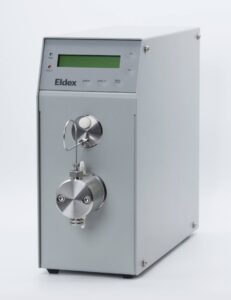
Reciprocating positive-displacement pumps, including Eldex Optos and Altos Series pumps, offer several characteristics that make them well suited for these applications.
Accurate, repeatable dosing
Chemical concentrations in reactor coolant and secondary feedwater can be extremely low. Consistent pump displacement helps maintain predictable chemical addition rates, supporting the plant’s water chemistry control program.
High-pressure capability
Chemical injection frequently requires delivery into pressurized process systems. A positive-displacement reciprocating piston pump can generate the discharge pressure necessary to overcome process pressure and injection-line losses while maintaining a controlled flow rate. Eldex Altos Series pumps deliver at pressures up to 6000 psi (400 bar).
Adjustable flow rates
Different treatment programs require different chemical addition rates. A reciprocating metering pump can accommodate changes in dosing requirements by adjusting motor speed. Eldex Altos Series pumps deliver flow rates from 0.01-200 mL/min.
Chemical compatibility and wetted materials
Chemical compatibility is another important consideration when selecting a metering pump for nuclear water treatment. The pump’s wetted materials, seals, and other fluid-contacting components must be compatible with the chemical formulation, concentration, and operating temperature. Material selection can also influence maintenance requirements and long-term reliability. By using specialized, chemically inert materials of construction, Eldex reciprocating piston pumps can be used for almost any low-viscosity, particulate-free fluid.
Low flow control and systems integration
Maintaining consistent chemical delivery at low flow rates requires consideration of pump displacement, operating speed, system backpressure, and injection-line configuration. In automated treatment systems, adjusting pump output in response to process requirements can provide additional flexibility while supporting consistent chemical dosing. Eldex Altos Series pumps offer the broadest range of remote integration interfaces on the market today, including analog (0-5V, 4-20mA) and digital RS-232, RS-485, Modbus, USB, and Ethernet.
Reliable long-term operation
Chemical treatment is a full-time monitored system and a critical part of plant operation. Maintaining water chemistry can require continuous or repeated chemical addition over extended periods. With a simple design and few replaceable parts, reciprocating piston pumps are trusted for their reliability, predictable performance, and straightforward maintenance. With over 50 years of proven performance, Eldex products are known for reliability and ease of maintenance, minimizing downtime for customers in critical process industries.
Integrating Metering Pumps Into Nuclear Chemical Injection Systems
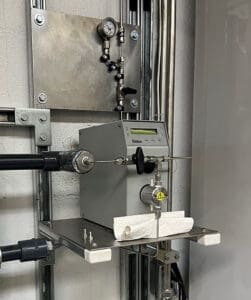
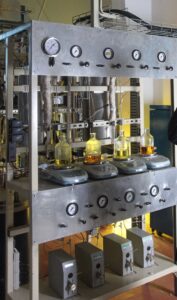
Successful chemical injection systems require more than just a reliable metering pump. Companies such as Radiological Solutions, Inc. (RSI) and Dominion Engineering demonstrate the importance of integrating metering equipment into complete, application-specific chemical injection systems designed to meet the demands of nuclear power plant operations. Pumps must integrate seamlessly into larger process skids and plant control architectures, including PLC-based automation systems that allow operators to monitor, control, and adjust chemical dosing remotely. Connectivity, communication protocols, and instrumentation compatibility are therefore important considerations when selecting equipment. Eldex Altos Series reciprocating piston pumps offer 0-5V, 4-20 mA, RS232, RS485, Modbus TCP, Modbus RTU, USB, and Ethernet options, providing flexibility for integration into automated process skids and existing plant infrastructure.
Beyond pump selection, engineers must evaluate injection pressure, chemical solution properties, flow monitoring, pressure protection, control-system compatibility, and maintenance access. These considerations help ensure that the metering pump operates effectively as part of the overall chemical injection system.
Precision Chemical Injection for Nuclear and Industrial Applications
Precision chemical injection plays an important role in managing water chemistry at nuclear power plants. Whether delivering zinc-based treatments to reactor coolant systems or polyacrylic acid to secondary feedwater systems, consistent chemical dosing helps support corrosion management, deposit control, and reliable plant operation.
These demanding applications require metering equipment that delivers repeatable low flow rates, operates against elevated system pressures, and integrates with automated chemical treatment systems.
Eldex Optos and Altos Series reciprocating piston pumps offer precision flow control, high-pressure capabilities, and flexible configuration options for engineered chemical injection applications. These same capabilities support chemical treatment systems in conventional power generation, industrial cooling, boiler feedwater, and other demanding process environments.
Frequently Asked Questions
Why is precise chemical injection important in nuclear power plants?
Precise chemical injection helps maintain water chemistry within carefully controlled operating parameters. Operators use chemicals such as zinc, platinum, and polyacrylic acid (PAA) at very low concentrations to manage corrosion, reduce radioactive cobalt buildup, and control deposits in steam generators.
How does zinc injection help reduce radiation exposure in nuclear power plants?
Zinc modifies the protective oxide films that form on internal reactor system surfaces, reducing the incorporation of radioactive cobalt-60 into these films, lowering radiation fields around reactor components, and reducing personnel exposure during maintenance and refueling outages.
What is the purpose of polyacrylic acid (PAA) in nuclear power plant water treatment?
PAA is a polymeric dispersant used in the secondary feedwater systems of pressurized water reactors (PWRs). It helps keep iron-based corrosion products suspended in the water, allowing them to be removed through system blowdowns rather than accumulating on steam generator heat-transfer surfaces.
What type of pump is used for chemical injection in nuclear power plants?
Eldex reciprocating piston metering pumps provide controlled, repeatable liquid displacement and can maintain precise flow rates against high discharge pressures. These characteristics make them well suited for chemical injection applications requiring low flow rates, consistent dosing, and reliable long-term operation.
How are low chemical injection flow rates controlled in nuclear power plants?
Eldex reciprocating piston metering pumps can deliver very small, controlled quantities of chemical solution ranging from 0.01-200 mL/min. Depending on the pump configuration, they can accommodate low flow rates while maintaining the discharge pressure needed to inject chemicals into pressurized process systems.
How do engineers select a metering pump for high pressure nuclear chemical injection?
Requirements vary by injection location and system design. Chemical injection pumps must generate sufficient pressure to overcome process pressure and injection-line losses. Some nuclear chemical injection applications require discharge pressures up to 6,000 psi.
Can metering pumps be integrated into automated chemical injection systems?
Yes. Metering pumps can be integrated into engineered chemical injection skids and plant control architectures using PLC-based automation. Communication protocols, control interfaces, and instrumentation compatibility allow operators to monitor and adjust chemical dosing remotely.
Are precision metering pumps used in cooling water systems outside the nuclear industry?
Yes. Conventional power generation, industrial cooling towers, boiler feedwater systems, and other industrial process water applications have similar chemical injection requirements. Metering pumps can deliver corrosion inhibitors, scale-control agents, and dispersants to help maintain water chemistry, protect equipment, and preserve heat-transfer efficiency.
Technical References
- Paul Scherrer Institute – Zinc Injection in Nuclear Power Plants to Mitigate Environmentally-Assisted Cracking.
- Mitsubishi Heavy Industries – Study on Corrosion Resistance Mechanism by Zinc Injection.
- Westinghouse – Low Temperature Zinc + Platinum Deposition (LT-ZiP).
- Thermo Fisher Scientific – Determination of Polyacrylic Acid in Nuclear Power Plant PWR Secondary Feed Water.
- Radiological Solutions – Chemical Injection Systems.
- Effect of zinc injection on the corrosion products in nuclear fuel assembly
- Fouling of Steam Generator Tubes in Nuclear Power Plants : Investigation on the Preventive Effect of Polyacrylic Acid on Iron Oxides Deposition – CEA – Commissariat à l’énergie atomique et aux énergies alternatives